Introduction
In the realm of medical care, specifically in long-lasting treatment facilities, the relevance of specialized training can not be overstated. One such crucial area is dysphagia management. Dysphagia, or trouble swallowing, is an usual condition that can considerably impact an individual's quality of life. For treatment staff, recognizing and managing this condition are important abilities that can cause better client outcomes and enhanced safety.
This short article digs deep into the vital abilities for treatment staff relating to dysphagia training techniques. It incorporates various facets of dysphagia training for carers, giving insights right into techniques, courses, and finest practices that equip health care experts to provide remarkable care to patients experiencing swallowing difficulties.
Essential Skills for Treatment Team: Top Dysphagia Training Techniques
To effectively handle dysphagia in individuals, treatment staff should be geared up with a broad series of skills and expertise. This section highlights the primary dysphagia training techniques essential for any care professional.

Understanding Dysphagia: What Care Personnel Required to Know
Dysphagia isn't simply a technical term; it represents a substantial obstacle dealt with by many people throughout various age. Treatment personnel need to have a solid understanding of what causes dysphagia and its ramifications on health.
- Definition: Dysphagia describes problem ingesting as a result of numerous reasons such as neurological disorders, architectural abnormalities, or muscle weakness. Causes: Recognizing underlying wellness conditions that add to dysphagia is critical. These can consist of stroke, mental deterioration, Parkinson's condition, and head or neck cancers. Symptoms: Typical symptoms include coughing when eating or drinking, feeling like food is embeded the throat or chest, and frequent heartburn.
The Value of Specialized Dysphagia Training for Carers
Training particularly concentrated on dysphagia furnishes carers with required skills tailored to satisfy the special needs of people struggling with ingesting difficulties.
- Enhanced Patient Safety and security: Correct training reduces dangers such as ambition pneumonia-- one of the severe difficulties arising from incorrect swallowing. Improved Lifestyle: Staff learnt dysphagia support can aid people preserve their self-reliance and enjoy dishes safely. Building Relationships: Educated carers can cultivate trust and relationship with clients by showing capability in managing their specific challenges.
Components of Effective Dysphagia Training Courses
Dysphagia training programs differ extensively in content and shipment approaches. Here are some important components that reliable training courses should include:
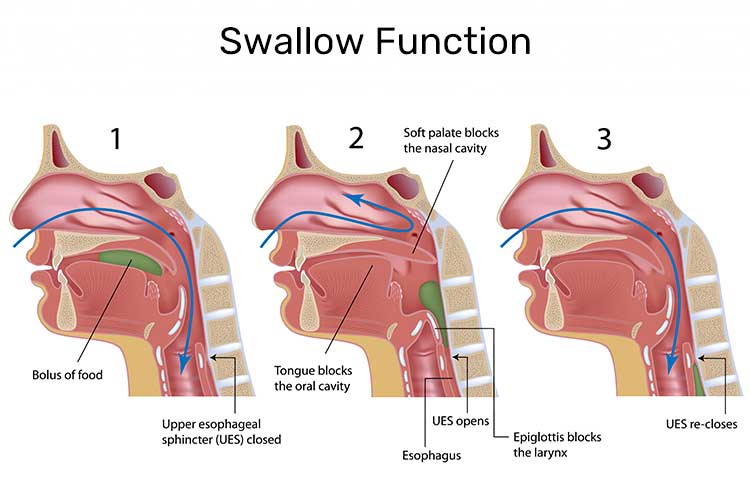
Anatomy and Physiology: Understanding the technicians of ingesting assists personnel recognize concerns accurately. Assessment Techniques: Knowing how to assess a client's swallowing ability with scientific evaluations helps tailor interventions. Dietary Modifications: Expertise about appearance modification (e.g., pureed diet regimens) is essential for safe feeding practices. Therapeutic Interventions: Experience with workouts developed to strengthen swallow muscular tissues can be beneficial. Emergency Protocols: Training ought to cover what actions to take throughout choking incidents or various other emergencies associated with swallowing difficulties.Training Modalities: How Can Care Team Learn?
There are numerous modalities whereby treatment team can receive their dysphagia training:
- Workshops & Seminars: These are frequently interactive sessions where participants engage in hands-on learning. Online Courses: Adaptable choices enable team to find out at their very own pace; these might include video demos and quizzes. On-the-job Training: Practical experience under supervision enhances theoretical understanding acquired from formal courses.
Key Techniques in Dysphagia Monitoring for Treatment Staff
Having undertaken appropriate training is just half the battle; carrying out efficient techniques makes all the difference.
1. Utilizing Appropriate Feeding Strategies
Care staff should embrace numerous feeding approaches based upon individual client analyses:
- Postural Adjustments: Positioning clients upright throughout meals can help with more secure swallowing. Pacing Techniques: Motivating slow consuming practices helps in reducing the risk of choking.
2. Monitoring Ingesting Patterns
It's necessary for carers to observe and document individuals' eating behaviors:
- Note any kind of indicators of distress while eating Keep track of food choices along with structure modifications
3. Creating a Safe Eating Environment
A conducive atmosphere plays a role in enhancing meal experiences:
- Minimizing distractions Ensuring adequate lighting
Dysphagia Support Resources Available for Care Staff
In addition to official training programs, there are countless resources offered that offer recurring support:
Professional Organizations: Groups focused on speech-language pathology often supply guidelines on best practices. Peer Support Networks: Involving with fellow carers can produce sensible insights from shared experiences. Research Publications: Remaining informed concerning emerging studies will maintain caregivers current on ingenious approaches.FAQ Section
1. What is dysphagia?
Dysphagia refers to trouble in swallowing triggered by different clinical problems impacting the muscular tissues associated with swallowing.
2. Why is specific dysphagia training required for treatment staff?
Specific training makes sure that carers recognize just how to securely aid individuals experiencing problem ingesting while reducing risks associated with ambition and choking.
3. What topics are covered in a typical dysphagia training course?
Courses usually cover anatomy and physiology pertaining to swallowing, assessment techniques, dietary adjustments, healing treatments, and emergency protocols.

4. Just how do I discover good dysphagia training courses near me?
You can search online for recognized organizations offering specialized training courses or inspect regional health care companies for workshops on dysphagia management.
5. Can caregivers carry out dietary alterations without expert guidance?
While caretakers can recommend dietary changes based on their training, it's essential they consult with dietitians or speech specialists before making considerable https://zanderxxke370.yousher.com/building-confidence-in-care-the-requirement-of-dysphagia-education changes to a person's diet.
6. What must I do if I presume somebody has dysphagia?
If you presume someone has difficulties with swallowing, motivate them to seek examination from health care specialists that specialize in this location promptly.
Conclusion
In conclusion, outfitting treatment personnel with essential abilities with thorough dysphagia training methods not just boosts client safety yet also helps with improved outcomes within long-lasting treatment setups. The breadth of knowledge acquired from properly designed training courses empowers caretakers to handle intricate circumstances effectively while promoting significant interactions with those they serve.
By embracing continual learning and using readily available sources such as workshops and online platforms concentrated on dysphagia support-- care team will ensure they remain skilled specialists all set to encounter difficult circumstances head-on.
Ultimately, investing time right into comprehending these strategies yields advantages much beyond compliance; it improves lives-- both those getting treatment and those providing it-- creating an environment rooted in respect, self-respect, and compassion!